Birds, Leps, Observations & Generalities - the images and ramblings of Mark Skevington. Sometimes.
Showing posts with label Blacktoft Sands. Show all posts

Tuesday, 23 November 2021

Blacktoft Sands - WTL

WTL - I expect you think I am about to post about travelling up to Yorks and grabbing some snaps of the long-staying White-tailed Lapwing at Blacktoft Sands RPSB (and ticking it in the process). Well, that's not going to happen. Firstly, it's not going to happen because I am old enough to know that White-tailed Lapwing is not actually a thing (whereas White-tailed Plover absolutely is). Secondly, it's not going to happen because this particular WTL is a different acronym - 'waited too long' ....

So, last week I was off work to get some decorating done. By Thursday I was done (or as done as I needed to be at that point). I'd been vaguely aware that this bird turned up in mid-August and had been knocking around for a while. A quick check across Twitter confirmed it was still present, usually being seen from Xerox Hide. I made a snap decision - Friday would be a day out looking for/at a rare bird. Me going out specifically to see a rare bird is actually a rarer event than the birds turning up these days. Friday dawned and I was up and out; not at the crack of dawn as I'm really not that enthusiastic these days about getting up, but early enough that I would have a good few hours of decent daylight to enjoy the reserve. 

I arrived just before 10am, and the handful of cars in the car park perhaps suggested others were there with the same plan. It was nice and bright though a bit nippy. I'd not been to Blacktoft Sands for a decade so was looking forward to enjoying a variety of waterbirds as well as looking for/at that lanky yellow-legged wader. I headed straight to Xerox hide, the first hide west of the reception cabin (which was closed, with no staff on site). As I entered, I realised that perhaps not everyone on site was going to be looking for the rarity; maybe an unfair snap judgement. I quietly settled into position and eagerly scanned the vista. And immediately a pang of doubt smacked me in the face. Don't get me wrong - it's not that I was expecting to rock up and just see the bird immediately, but I was hoping that picking it out from the other birds would be the most difficult part of it. And that was the problem - there was a lack of other birds. After a good half hour of scanning, checking, scanning again, I managed to muster two Redshanks, two Snipe and a Teal. A bloke that had set up next to me and had apparently been doing the same commented on how quiet it was. I acknowledged this, and that I expected more than just Redshank and Snipe, to which he responded 'oh, where is the Snipe'. I decided to check out the other hides. Every single one was similarly birdless - in fact more so. Across the other five hides, several of which I checked twice, I saw less than I'd seen from Xerox hide.

I could not believe my luck - or lack of it. This bird had been seen daily for months, and the one day I turn up it is nowhere to be seen. Over the five or so hours I stuck at it, I did come across two other blokes that were looking for and failing to see the Plover, whilst the other 10 or so people on site were clearly looking for 'birds' but not quite sure what they might be. Or have any clue about the Plover.

I did find a Water Pipit, heard numerous Cetti's, Bearded Tits and Water Rails and saw a few Marsh Harriers patrolling plus a couple of skeins of Pink-feet over. Everytime I passed Xerox hide I checked in and scanned again - nothing. I spent the last hour of my visit sat in Xerox hide hoping that stuff would come back in; a flypast flock of Lapwings and a couple of brief Black-tailed Godwits dropping in brought some hope - but not for long. I was absolutely sure the Plover would not have gone anywhere, but also knew that however long I stayed it was not happening today. I should have called time on the visit much earlier and gone to do something else, but I just waited too long looking at birdless views.

Absolutely as expected, the blasted Plover was back on show on Saturday ....

I may try again another day, if it sticks around for the winter (as it may) but my opportunities are limited. It really doesn't matter - I'm not bothered at not seeing the bird, I'm more kicking myself at sticking around there too long wasting time.

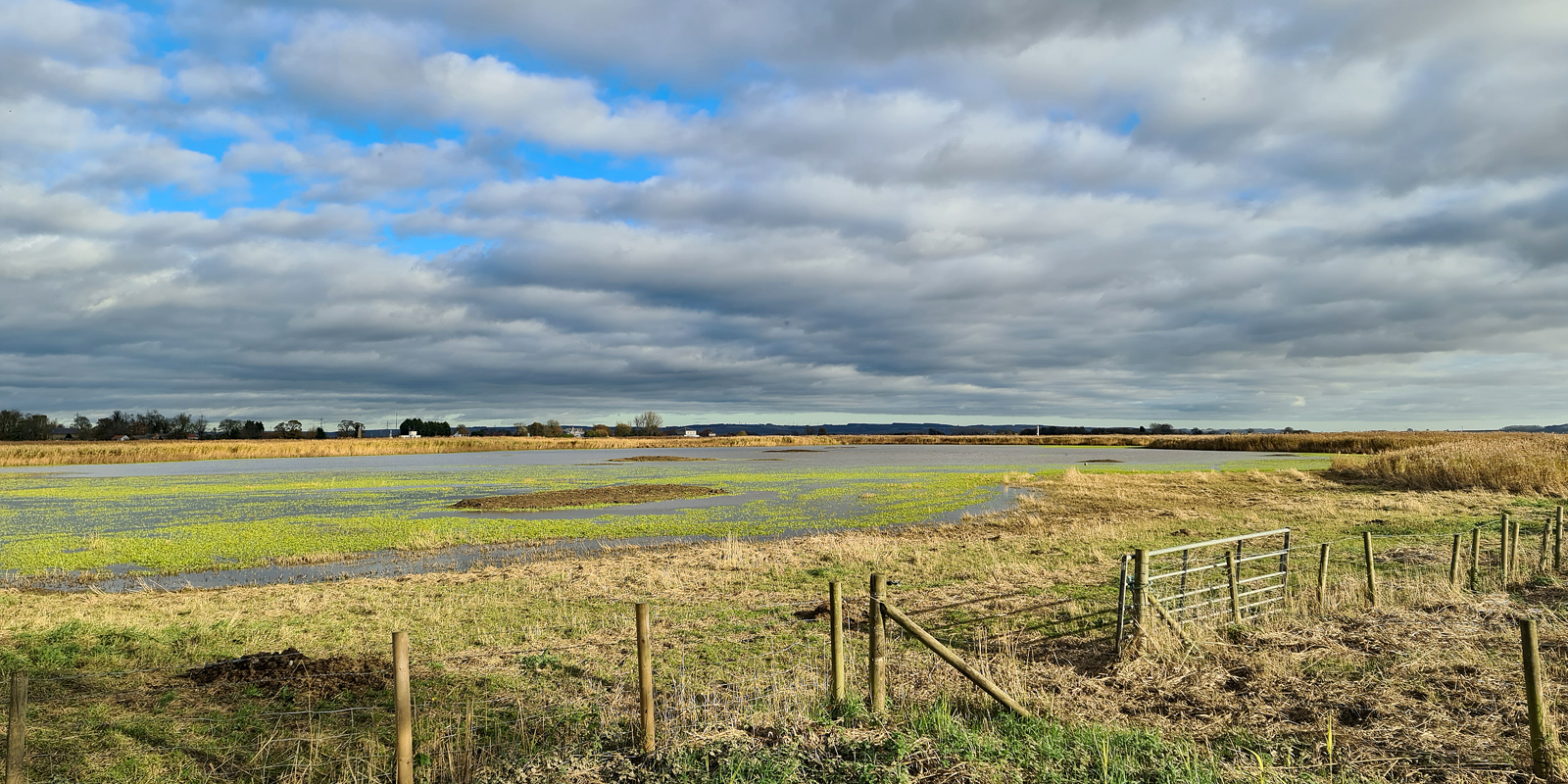
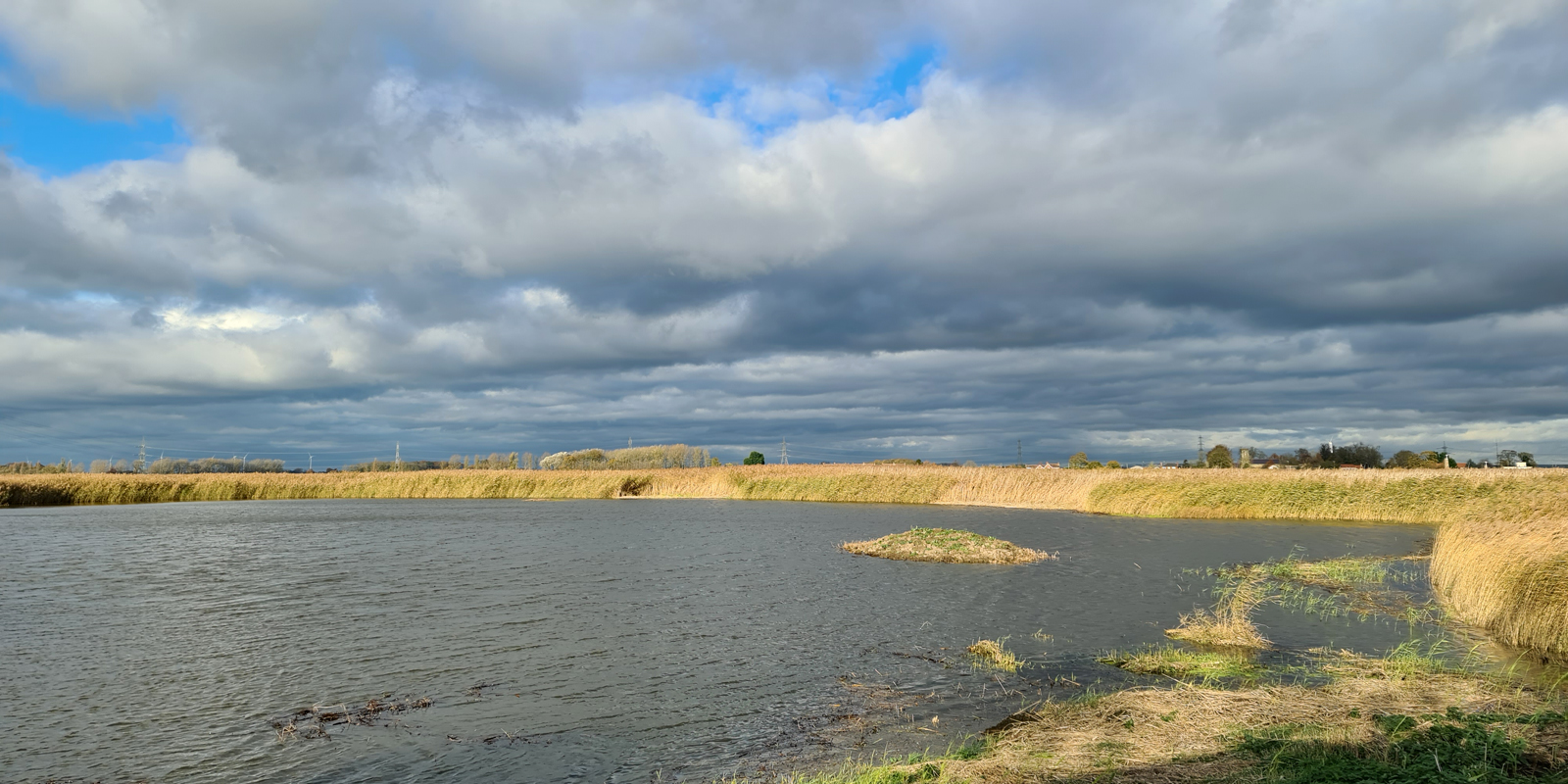
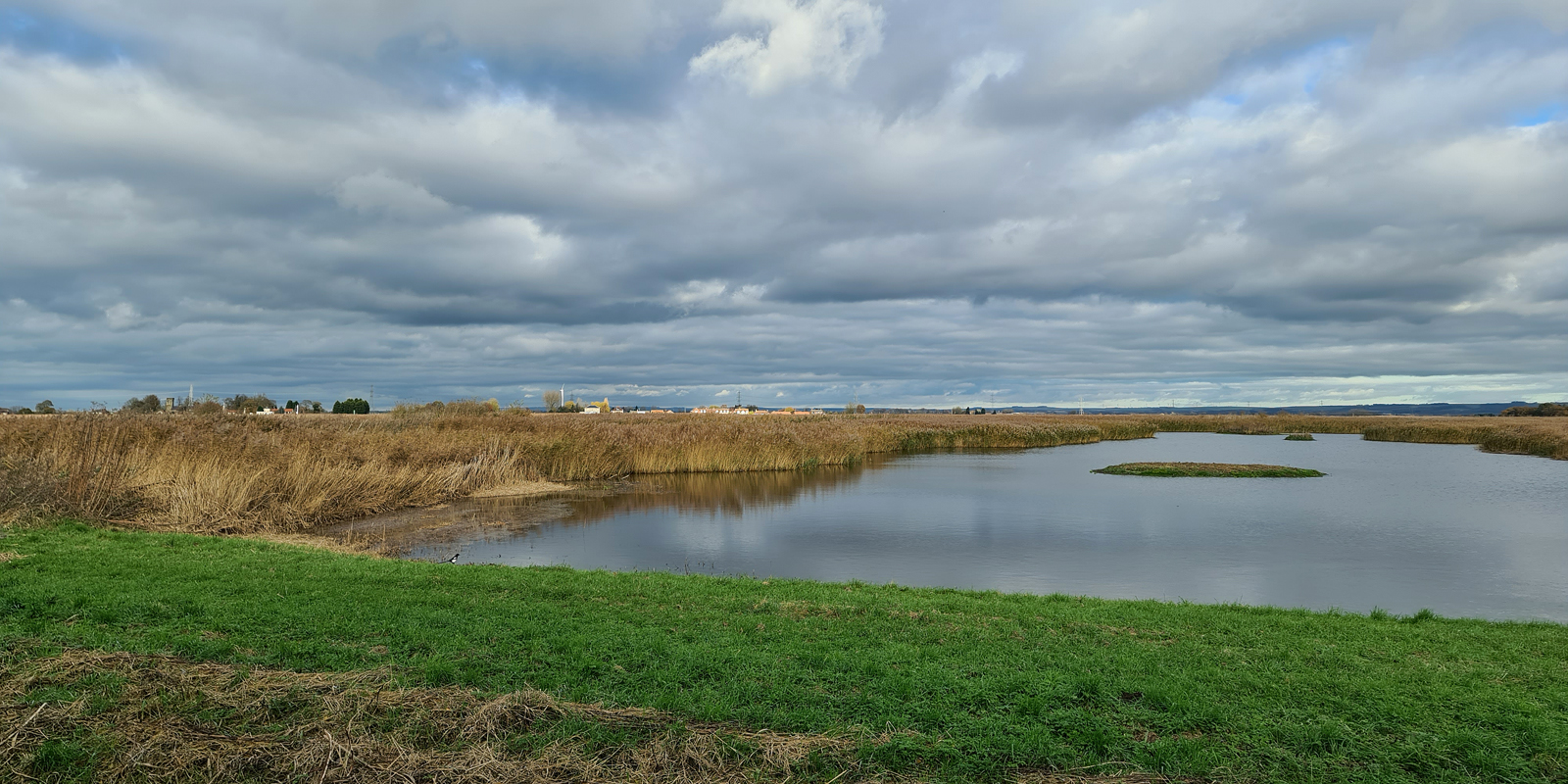
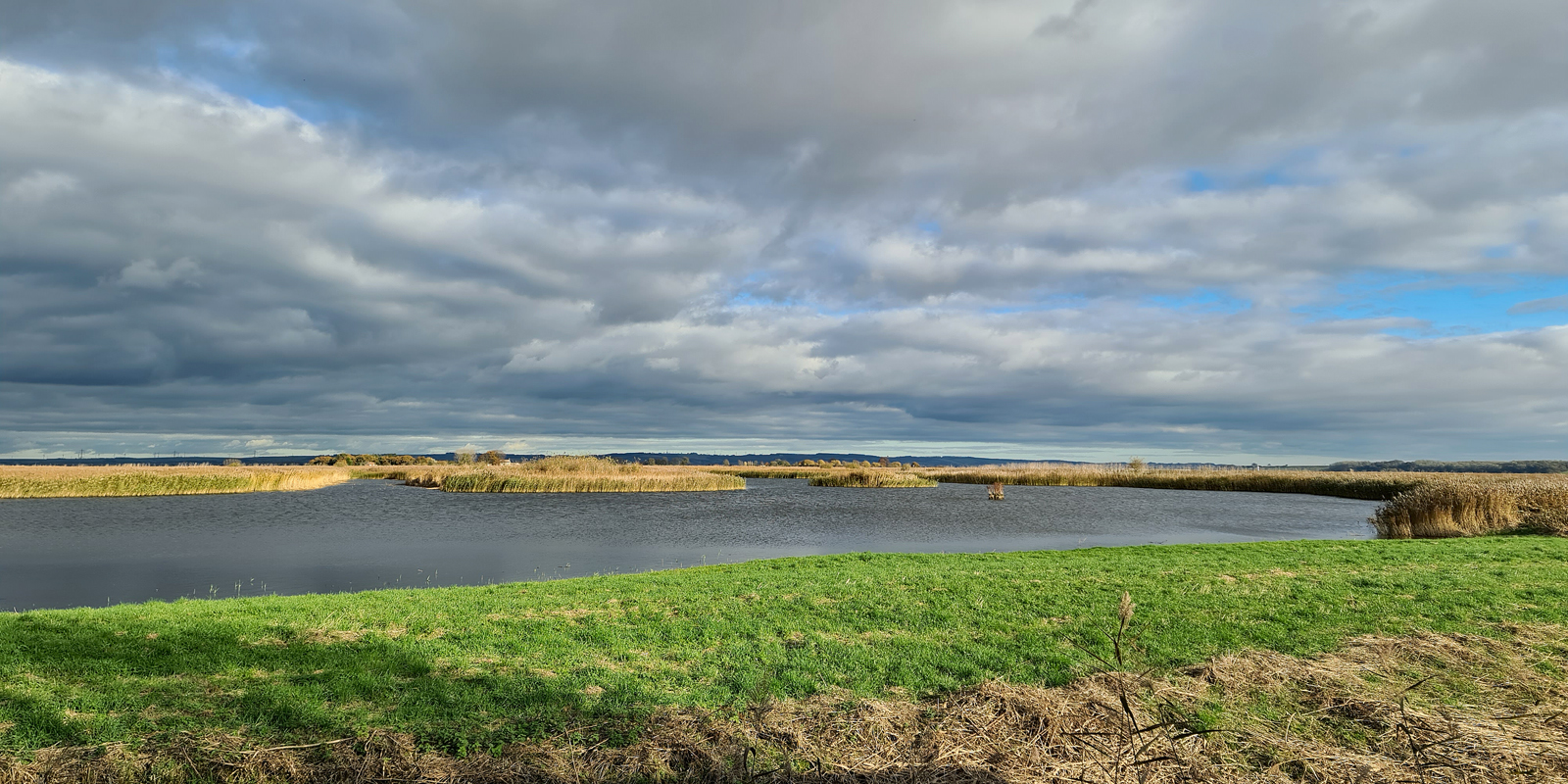
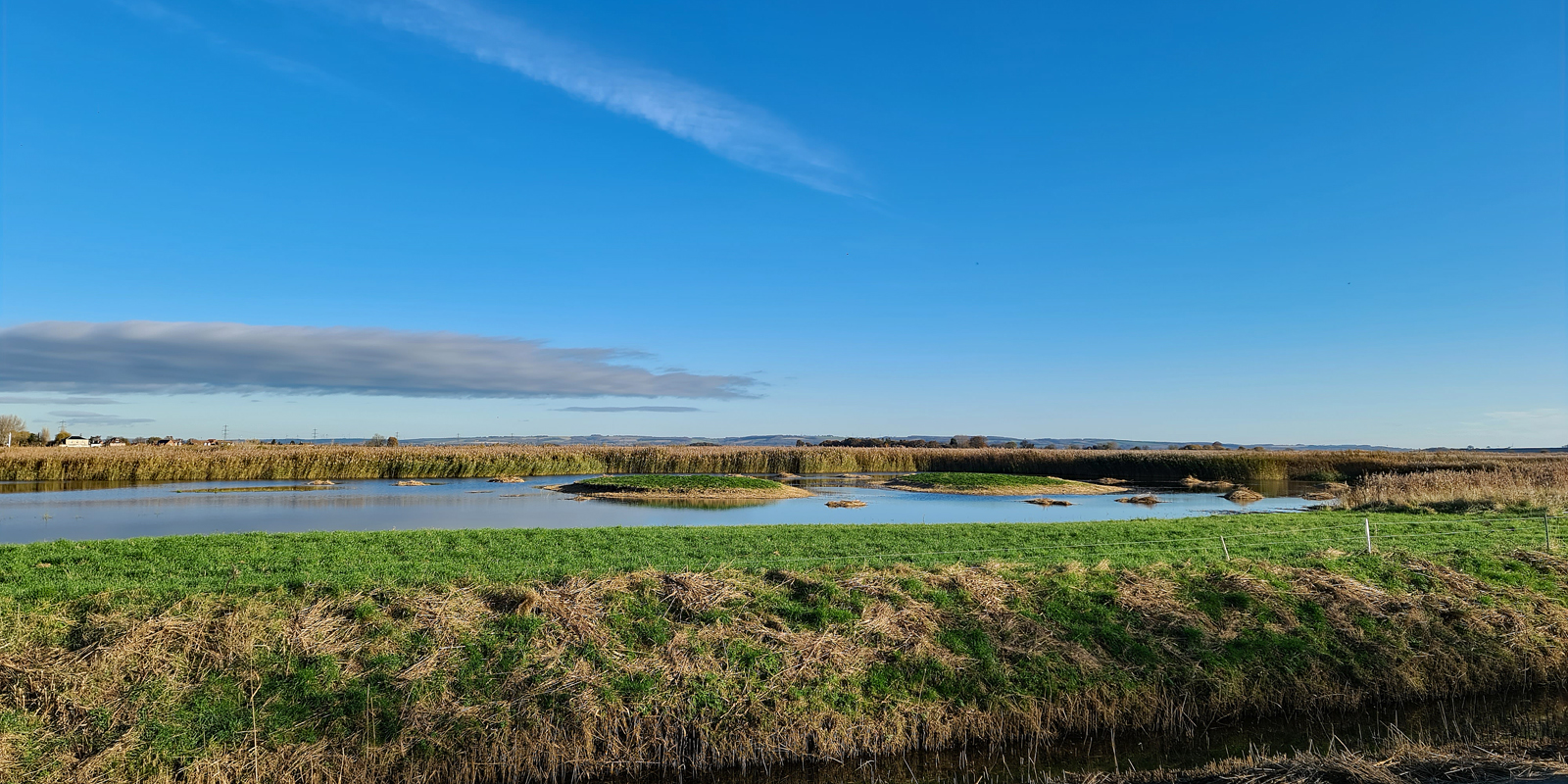
Here's a selection of nice but birdless views, and a couple of snaps of birds I did see.

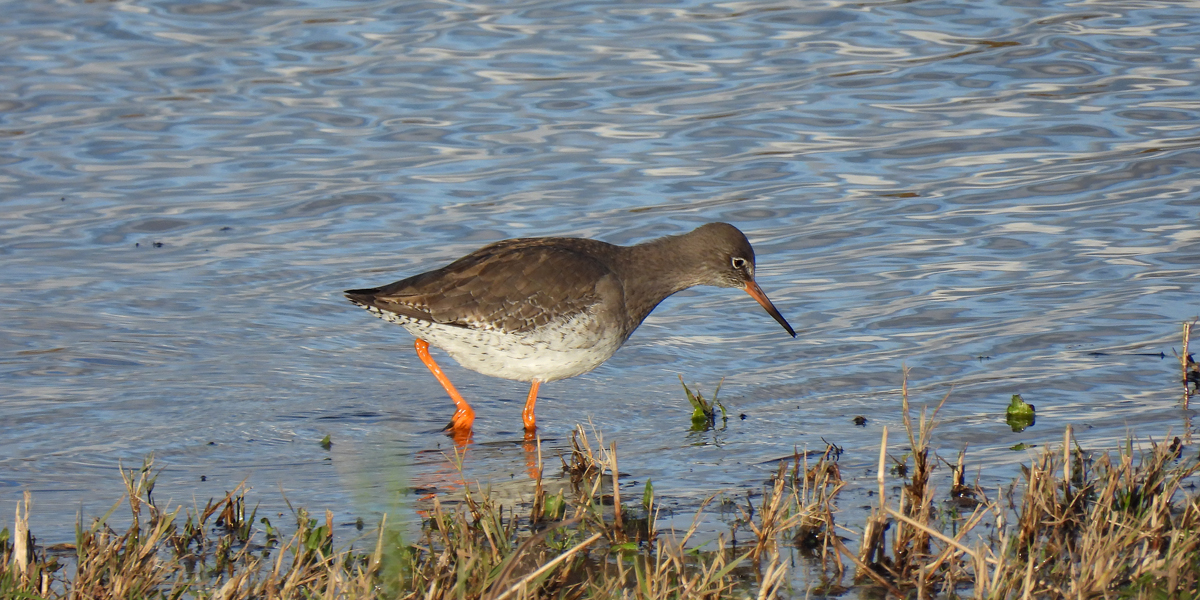
Redshank - this is the sort of view I was hoping to get of the Plover

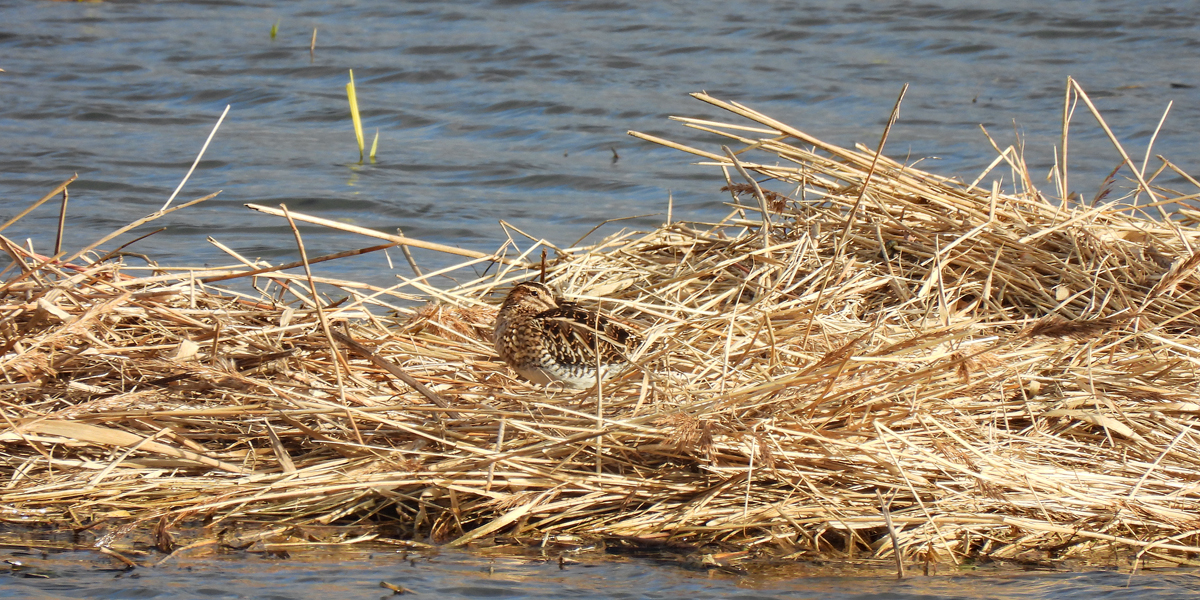
Snipe - the sort of view I thought I might get

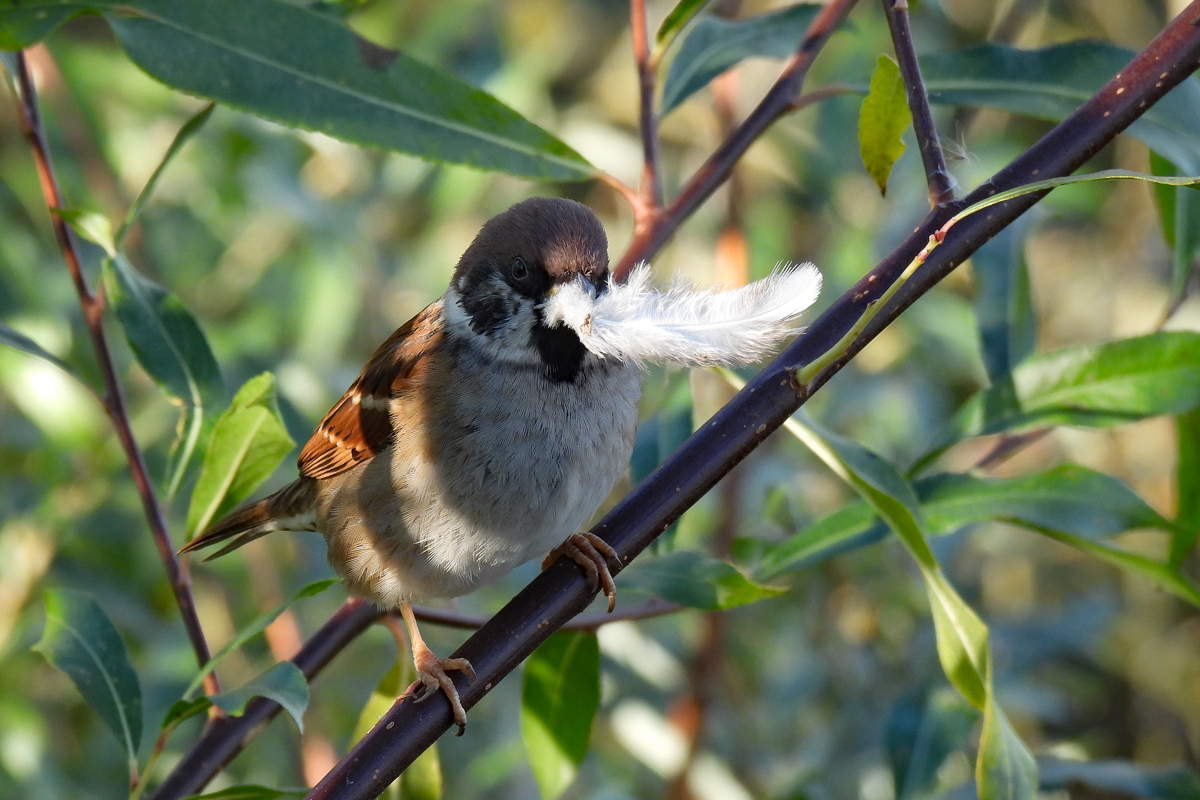
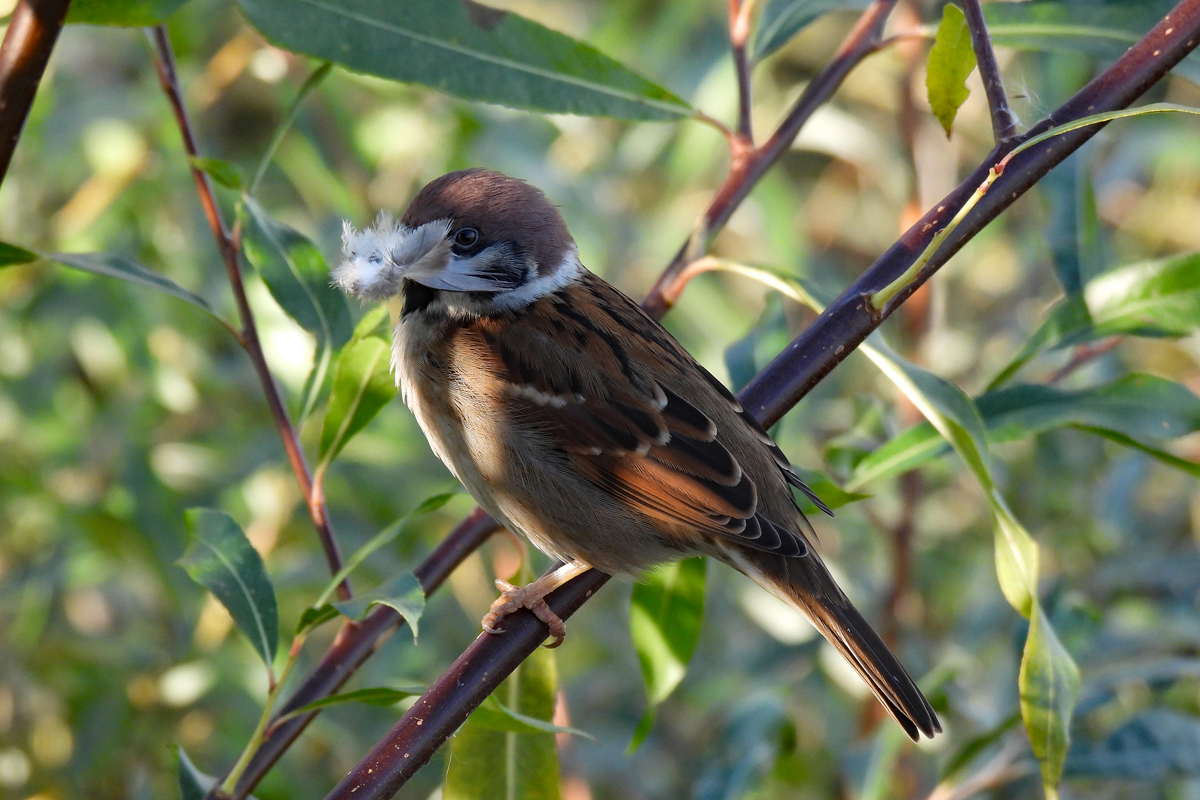
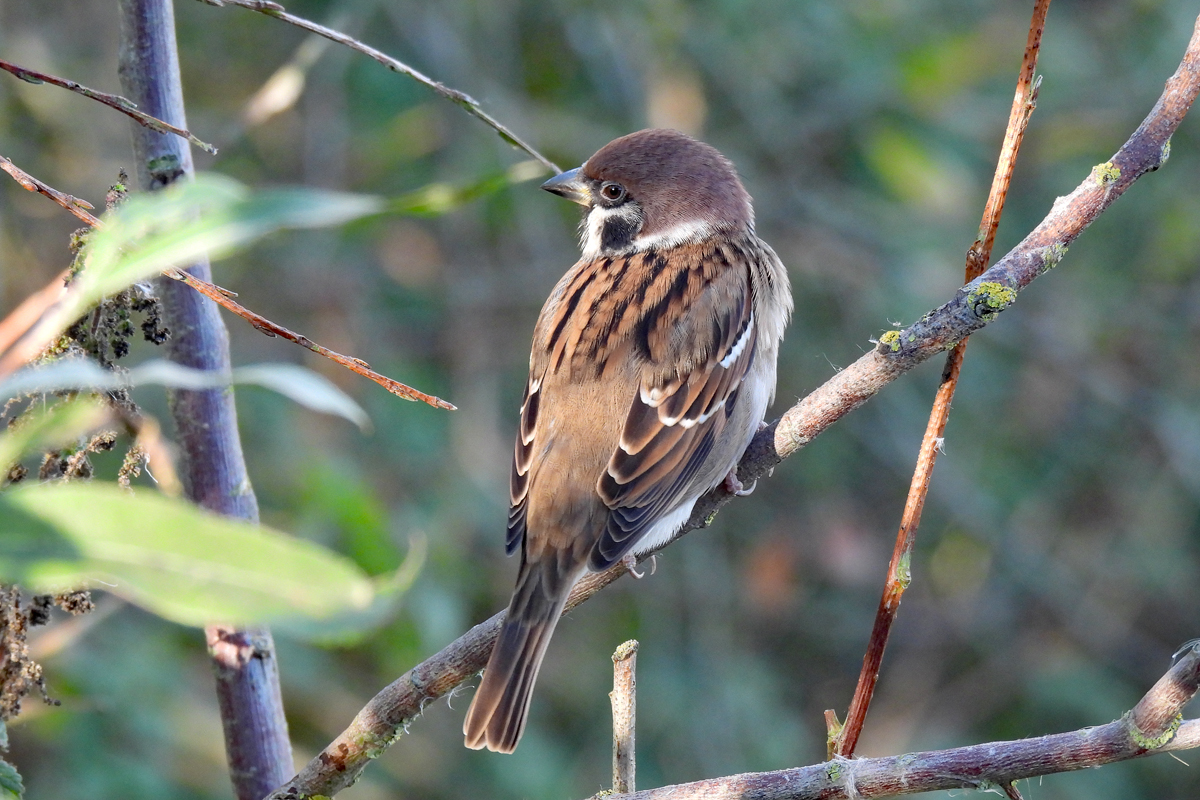
This Tree Sparrow was auditioning for a Drag Race, going by the moniker 'Princess Passer'

It's mate was not impressed

Monday, 7 November 2011

Dip

On Friday night at the LROS meeting, John Hague asked me what my plans were for Sunday. 'Nothing much, why?' was my response, but it should have been 'A bit of gardening, sorting out a TV aerial and definitely not going on an out-of-county twitch'. And so it was that I counted myself in to a twitch to Spurn if the Isabelline Wheatear was still around on Saturday. I was not available on Saturday and neither was John - but the bird remained on view all day. So with positive news up until dusk, we left John's at 6am yesterday and arrived at Spurn after it was properly light and just in time to find out 'no sign so far this morning'. Arse, feck, bastard, bugger.

Back in the day when I used to twitch much more regularly than the current once a year or so, dipping was part and parcel of the 'game' although I was remarkably lucky and suffered very few momentous dips. Often I either came away happy, or was dipping with the whole twitching community (eg October 2000 Siberian Blue Robin at Minsmere). The only dip that really grated was driving up to Scotland overnight in June 1997 and spending c6 hours in the pissing rain looking at nothing, only to receive a pager message a few hours later on the way home that 'Roller still at Lochaber Loch'. The last bitter out-of-county dipping experience for me was back in October 2002 when I was already in the throws of giving up twitching. That was in bloody Yorks as well (White-throated Sparrow at Flamborough).

Anyway, back to Spurn. We duly ignored the negative info. and set about looking for the wheatear. In the process, we saw very little (lots of very distant waders, a few close in Knot, a Grey plover, some Redwings and a Wren .......). we certainly didn't see any rare exciting passerines. This was made all the more galling by the continued presence of another Izzy Whitearse in Wales. Bastard!

After walking and searching for a good while, we gave it up and headed off to grab a bite. With everything closed locally, we decided to head back the other side of Hull to eat and then go to Blacktoft Sands. At least we'd see something on the day out, and be within distance in the unlikely event that the Wheatear popped up again.

Click for big - typical view from a Blacktoft hide

Click for big - Shelduck Shoveler Island

I do like Blacktoft, and it provided some pleasing birding spectacles though nothing unexpected. 1000s of Golden Pover were constantly filling the skies, and we got superb views as a decent number of them fed in a field adjacent to the reserve along with masses of Lapwings . Sadly no sign of the recently present Common Crane though. We also had a few various-sized skeins of Pink-feet heading over in all directions (including some going back and forth for some reason), c200 being the biggest group.

Click for big - all those dots are Goldies and Lapwings

Click for big - aimlessly wandering Pink-feet

We stayed for the raptor roost, picking up anywhere between a conservative 10 and 13 Marsh Harriers including one or two superb full adult males. Also one, possibly two, ringtail Hen Harriers including a very close fly-by. But sadly no owls, no Merlin and no Bittern.

Click for big and spot the Marsh Harrier

Perhaps the least expected things we saw all day were a couple of Red Admirals and at least 6 Common Darters soaking up the late afternoon sun .....


Dipping was a pain, and Blacktoft was maybe not as great as it could have been, but the day out was still a whole lot better than gardening and sorting out a TV aerial!

Feeding Tree Sparrows

Feeding Shelduck

Incidentally, 'Isabelline' is a colour and though the etymology is inconclusive the theories about it's origin appear to relate to piss-stained underwear .......

Sunday, 17 February 2008

Dipp(er)ing - 16/02/2008

It's a strange thing I know, but for some reason John Hague has persued a lifetime hobby of dipping Black-bellied Dipper. So with news of one wintering in his homeland, the Republic of Yorkshire, we had the perfect excuse for a days birding and fannying about with cameras. Dave Gray made up the intrepid trio, and we were on our way in sub-zero darkness.
Seeing as were heading north, we decided on an early stop at Clumber Park for Hawfinch. We arrived at just gone 7am and geared ourselves up for the search at -6degC. It was only just light and a heavy frost was clinging to everthing. Very evocative I must say, especially with a freezing fog lingering over the water.


John picked up a singing male Hawfinch perched right at the top of a 50ft conifer. The combination of very low light and distance made this impossible to photograph with anything other than shockingly bad results. Like this:

Singing male Hawfinch. Use your imagination.

Before we left, a half-hearted look for the wintering Great Grey Shrike produced nothing more than a superb Kingfisher grabbing breakfast. The first rays of proper sunlight were now shining through and it was promising to be another cracking day.


We grabbed a superb full English from a greasy-spoon opposite the entrance to the park before heading to our next stop - Potteric Carr. It was my first visit to this reserve, established in 1968 when I was born, and I have to say it is brilliant. Superb access, varied habitats and of course the attraction of wintering Bittern.
We first headed down to Piper Marsh before the crowds arrived. A flyover Woodcock was nice, but sadly the wildfowl was all on the far side of the marsh in the sunlight as the water was frozen over. No sign of Bittern during our time in the hide, although we did spot something similarly coloured nosing through the reed edge. There are four species of duck in the following shot, and the full-size crop of the same photo shows the skulking reed-beast.

Gadwall, Teal, Mallard, Shoveler + Coot, Moorhen

Can you see what it is yet?

We made our way round to the Willow Marsh hide to check out the feeders. Like Thornton the other day, there were plenty of Reed Buntings using the facilities along with the usual suspects.


Best bird here though was a brazen Water Rail.

Typical Water Rail view.

Superb Water Rail view.

The walk back the car produced a pair of noisy Willow Tits along with typical woodland birds. We could easily have spent a full day at this excellent reserve - definitely one for another visit.
Next on the agenda was the main target for the day - the Black-bellied Dipper wintering near Watton. I really like Dippers. They are stout fat-bellied little chaps - I guess I empathise with them! On arrival at the site though, it really didn't look promising as the stream was certainly not typical Dipper habitat.


Fast flowing water with perching boulders. Not.

After a fruitless walk along the stream, we eventually got views of the bird on the way back. Although we got good views it was a bit wary of us and wouldn't allow a close enough approach for a decent photo. It was also a bit odd as it didn't call once whilst flying up and down the waterway.

Black-bellied Dipper. Yes, the thing in the bottom right corner.

Time was now pressing, so we headed back south to Blacktoft Sands for the raptor roost. On the way to the hides there was plenty of Tree Sparrows calling and hanging about a feeding station, along with other typical bird-feeder visitors:

Hasn't quite got the knack of hanging feeders yet.

The best hide for the roost was closed for the late afternoon to cater for a guided tour. Bollocks. So we had to use the next nearest hide. It was busy but we soon settled in. There was a small group of Shoveler immediately in front of the hide, which was nice, and a lone Whooper Swan was just about visible on the next pool.

Nice Shoveler.

As would be expected when a group of blokes are gathered together in a bird hide, the talk turned to bush. No, not the beared clam variety. In amongst the reeds there are a couple of landmark bushes used when calling incoming raptors. These are:

The round bush. It's round. It's on its own.

The Merlin bush. A straggly, pissy little bush. The red arrow is not there in real life. That's a Crow, not a Merlin!

There was a very entertaining couple in the hide, regulars by all accounts. The entertainment was in the form of the inane conversation between the very aged bloke with poor eyesight (failing to identify the round bush, let alone any birds) and his [presumed] daughter (complete with moustache and beard). You had to be there, but it was pants-wettingly funny.
Anyway, back to the birds - the roost attracted a minimum of four Barn Owls, anything up to eight Marsh Harriers and two superb Short-eared Owls. Sadly we missed a ring-tail Hen Harrier as that was not viewable from our hide. The downer for me was that someone called Bittern but failed to give adequate directions before it dropped back into the reeds. Amazingly, it wasn't Dave.

A Marsh Harrier flying majestically over the reeds at dusk. Honest.

All in all, an excellent day out.