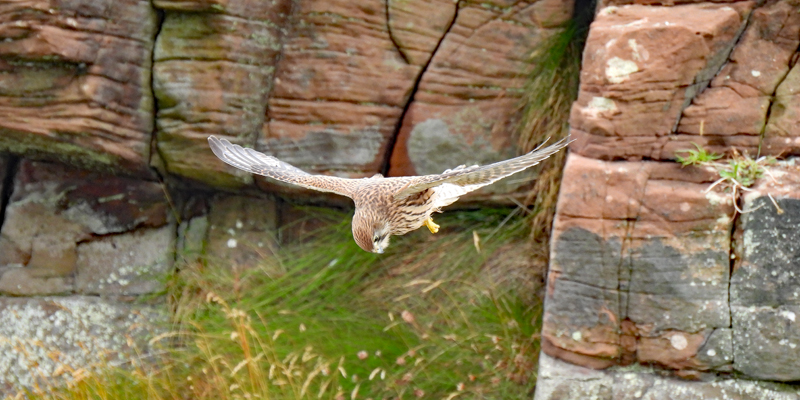
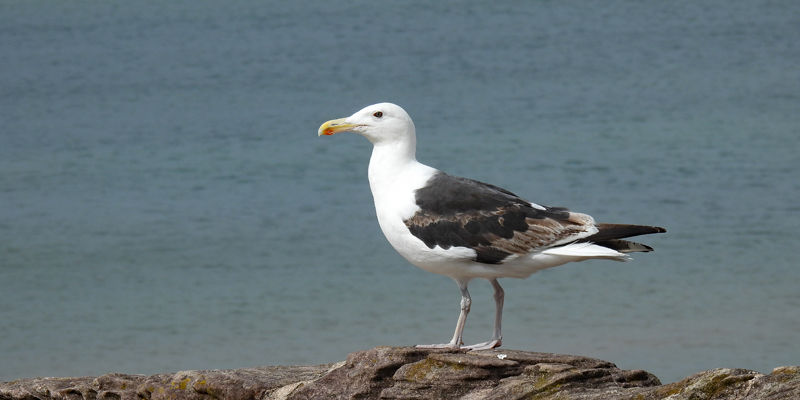
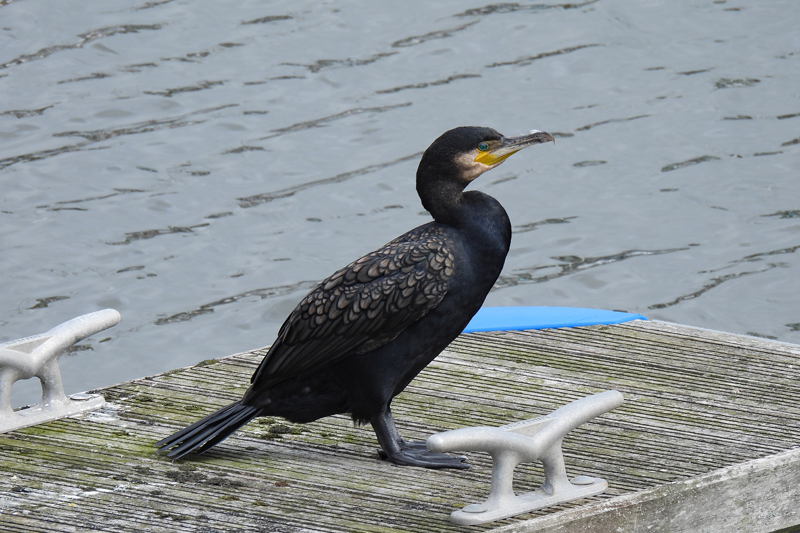
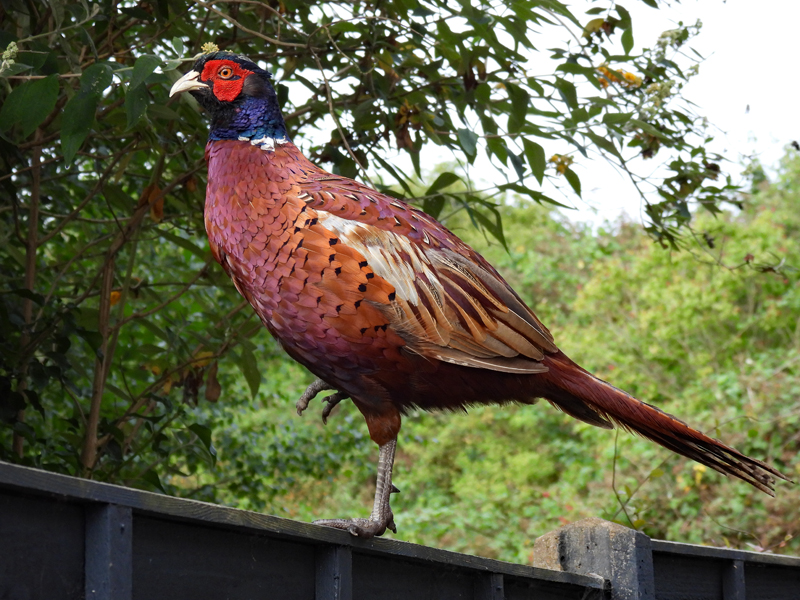
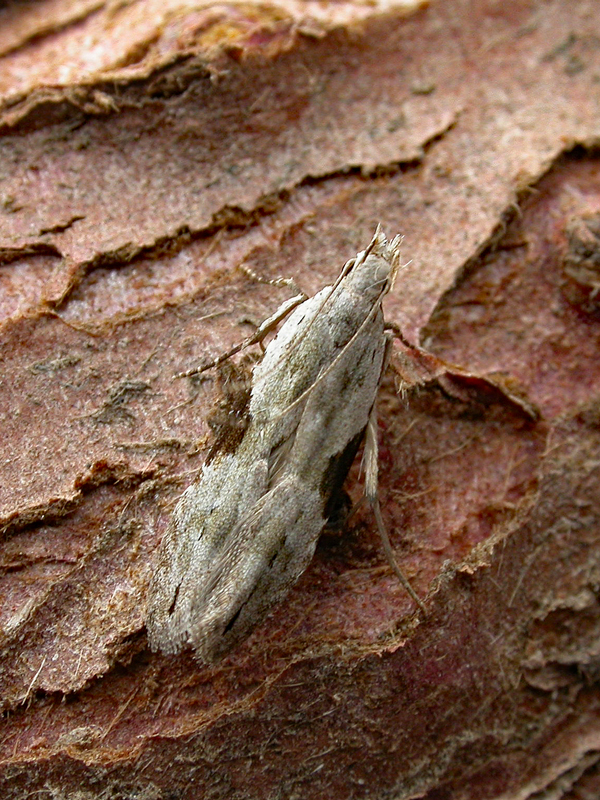
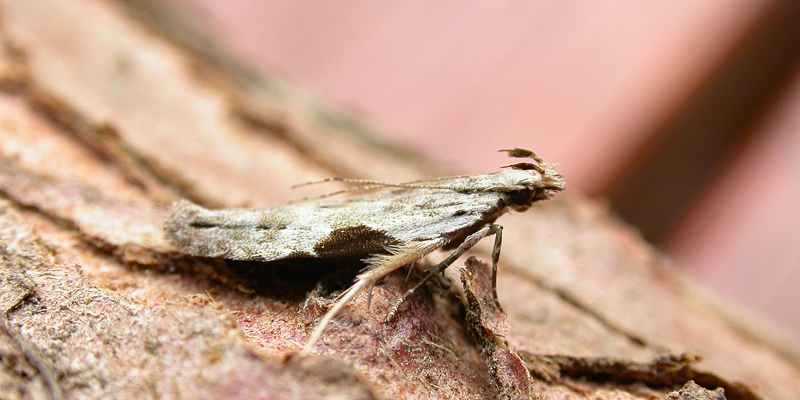
Whilst searching through photos for something else amongst my oldest images I found the following ....
Monday, 25 October 2021
First Date
Sunday, 24 October 2021
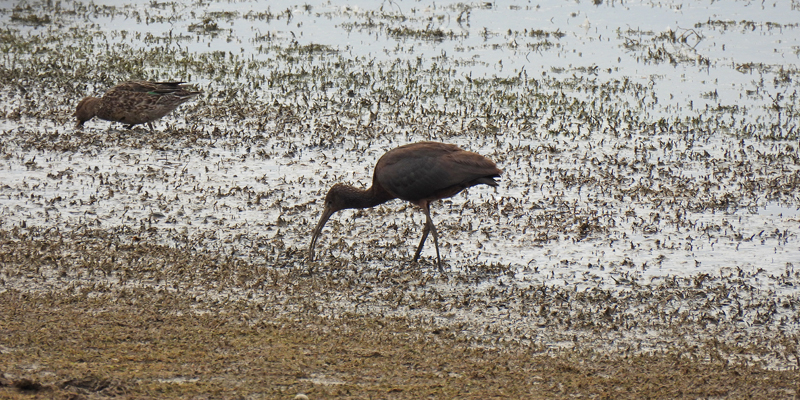
Drab Ibis
Yesterday I nipped out to Swithland Res. for a long overdue County Tick ....
Tuesday, 19 October 2021
Pan-species "Listing"
[“Listing” is a nautical term to describe when a vessel takes on water and tilts to one side. A ship can list either to port (left) or starboard (right). Neither is desirable, as listing or rolling too much can cause a ship to capsize, or overturn in the water.]
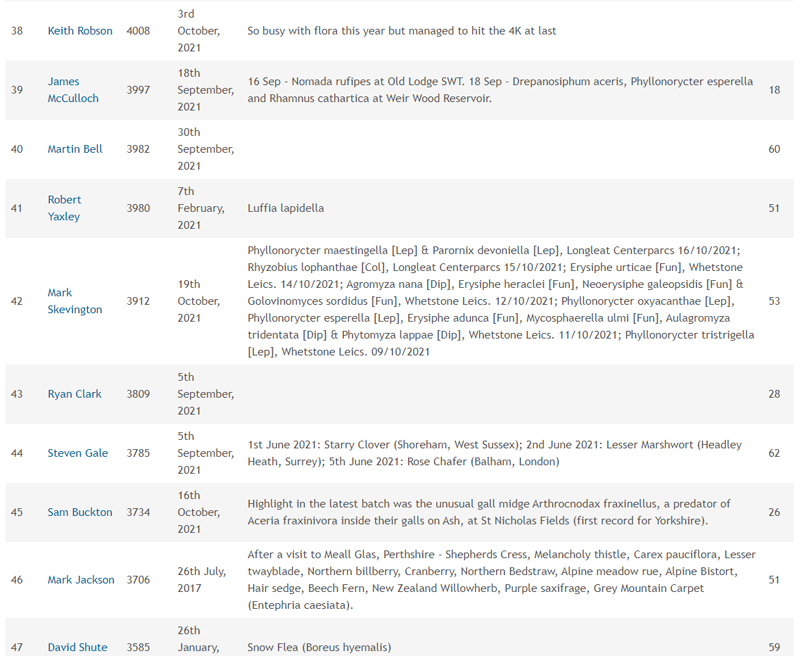
One way or another, whilst I've been ticking along and adding bits here and there I've tilted and sunk on the PSL rankings again. It's all a bit of nonsense really - seeing new stuff is great and creating a few records along the way is the more relevant bit. But it is interesting to note that 4000 species will see you in the top 40 though that will not be the case for long. Also, within the ten listers shown here there is only a 423 species gap; what is not shown is that there is now only one lister under 3500 species in the top 50, and only one under 5000 in the top 30. In reality, I am sure there will be numerous amateur naturalists up and down the country that don't publicise their numbers who would be well into the top 40 or higher if they did.
Out of this lot, Robert Yaxley will almost certainly already be well over 4000 if/when he updates - I see him finding stuff on his Twitter account regularly. James McCulloch and Martin Bell probably are as well - I think they update at each month or so. Although I'm within 100 species of it, Ryan Clark and Sam Buckton may well reach 4000 before me too - they have time on their side. David Shute and Mark Jackson haven't updated for well over a year or more so no idea if they're seeing anything. Steve will no doubt tell me again that he's hung his PSL boots up and then add a couple of 100 species. I could be closer to the other end of this 'mini-league' if everyone updated at the same time.
4000 will be a nice landmark when it comes but 5000 seems a very distant prospect. Ironically with health issues and lockdowns, I've added more in the last couple of years than I had for a long while: 508 species added since 6th April 2019, and at that point I'd updated after a lapse which meant I'd added just 121 species from 10th Jan 2017. Prior to that it had taken me just over five years to add 1300 species to my inaugural list.
Thursday, 14 October 2021
Overdue - Hypatima rhomboidella
One of my (very) occasional themes is to highlight a moth species that I've recorded in the garden some time ago but not since. I thought I'd pick out another, although this one surprised me in a lot of ways. Hypatima rhomboidella is not rare or scarce in VC55, or so I thought. But actually looking at VC55 records it does seem to be a lot scarcer than I thought, mainly from decent woodland sites and there are some years in the last couple of decades with very few or no records at all. I don't actually recall seeing one for a long while (July 2008 August 2014 at group session that isn't in my personal records). However a squint at the excellent Gelechiid Recording Scheme website shows that it is very widespread within the UK, and feeds primarily on Silver Birch and Hazel with Alder, Hornbeam and Aspen recorded as utilised in Europe. It is also supposed to come readily to light. Really then, this should be piss common everywhere ....
I have two garden records, both in 2000 on 1st and 11th June. That is so long ago that it actually precedes even my earliest moth photography. I do have a couple of shots, one of a couple recorded at Timberwood Hill, Charnwood Lodge with Andy Mackay on 26/08/2002.
Think this is more than overdue for me anywhere, let alone for the garden, and it's one I will be trying to get a better shot of when I next encounter one!
Wednesday, 13 October 2021
Mining
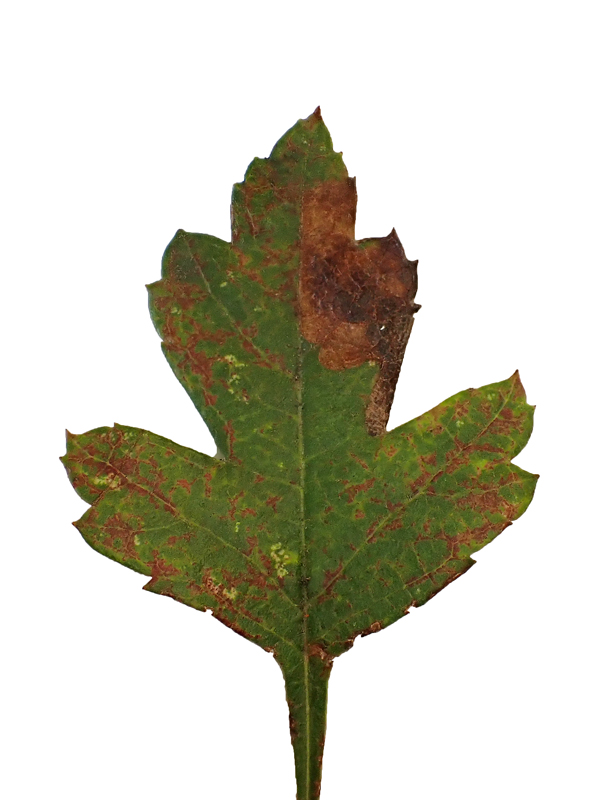
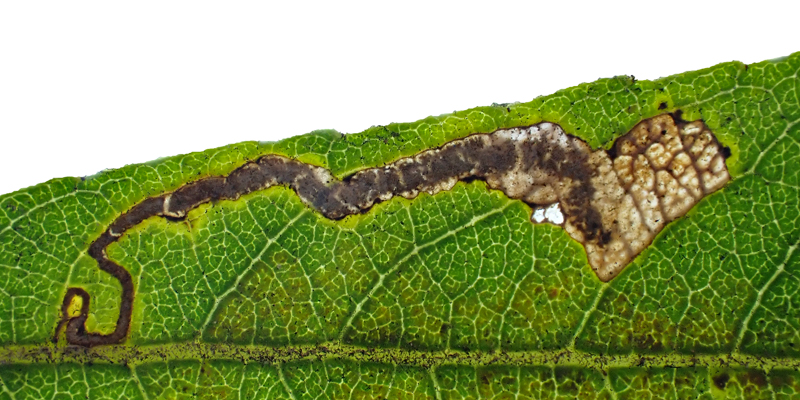
I've managed to work through a couple of bagfuls of leaves collected on Monday, and I've ended with up with a decent number of species/records. Perhaps the most remarkable part of this is that I bumped into a smallish tree on a verge that I didn't immediately recognise, and that I'd absolutely missed/ignored earlier in the year. Anyway, I worked out it was probably a Hornbeam and I found some interesting mines on it.
The mine below is an upper surface silvery-looking blotch, similar to the ubiquitous Phyllonorycter coryli that is found on Hazel. I'd already decided that this was probably Phyllonorycter esperella if my foodplant ID was right.
There were lots of these, but all seemed quite small and appeared to be vacated or incomplete. My attention turned to an altogether different-looking mine where the leaf was almost folded over. Again, lots of these and on checking a few, a number appeared to have hymenopteran pupae but some were tenanted, including some with a silken retreat within which a small larva was present.Tuesday, 12 October 2021
White Powder
Over the last couple of days whilst out looking for leaf mines, I've stumbled across a number of powdery mildews. A couple I recognised, others I've just ignored in the past and one I've never noticed at all. Most of the following are quick phone snaps, but you get the gist.
A couple of the more obvious ones were these:
The next few have almost certainly been seen before but ignored:
But this one I'm sure I've not seen before to be able to ignore it. On a Salix sp., with both sides of the leaves affected and colourful cleistothecia on the underside of the sample leaf I collected. Seems to be Erysiphe adunca [var adunca]. As you can gather from the above, these mildews have very inventive common names and it will be no surprise to hear this one is known as Willow Mildew.
All of this would have been right up Seth's gata if he was still on blogger, just like this Swedish metal.